


Bite-type fittings are suitable for a variety of special operating conditions. Under high-pressure conditions, these fittings rely on the deformation of the ferrule (bite ring) to create a tight connection with the pipe, enabling them to withstand high pressure and prevent media leakage. The cutting edge of the ferrule bites into the pipe surface to form an annular seal, maintaining a reliable seal even under high pressure; for instance, in hydraulic systems, the transport of high-pressure oil requires bite-type fittings to ensure system integrity and reliability. In high-temperature environments, the elastic deformation capability of the ferrule compensates for thermal expansion in the piping, maintaining sealing stability; this is essential in thermal piping systems transporting high-temperature steam, where stable sealing is required. Under conditions involving vibration, the ferrule's elastic deformation absorbs vibration energy, maintaining a tight connection and preventing loosening; this ensures secure connections in machinery piping systems where operational vibrations might otherwise compromise the joint. In environments involving corrosive media, bite-type fittings made from corrosion-resistant materials-such as stainless steel-can withstand chemical attack, making them suitable for chemical industry piping systems that transport acids, alkalis, salts, and similar substances. Finally, for applications requiring frequent disassembly and reassembly, bite-type fittings offer ease of installation and removal without the need for complex tools or processes, thereby facilitating maintenance and improving operational efficiency; an example is found in experimental equipment piping systems that require regular maintenance, where these fittings allow for quick disassembly and reinstallation.
For Which Special Operating Conditions Are Bite-type Fittings Suitable?
Popular Products
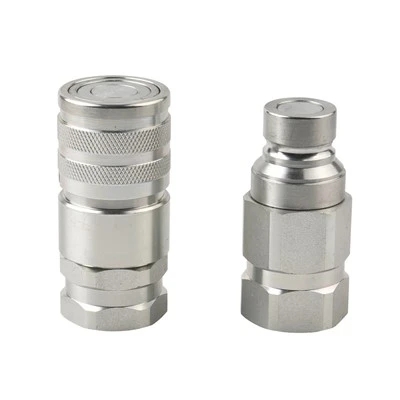
ISO 16028 Flat Face Hydraulic Quick Couplings
The KIS-FF ISO 16028 Flat Face Hydraulic Quick Coupling is designed for clean, efficient and reliable connection of...
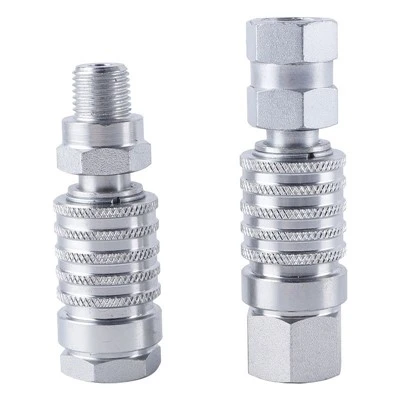
Flat Face Diagnostic Hydraulic Quick Connect
The PD Diagnostic flat face hydraulic quick connect is designed for fast and reliable pressure testing and...
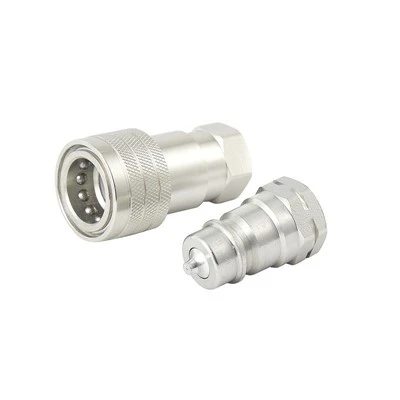
ISO 7241-A Hydraulic Quick Couplers
The ISO 7241-A Hydraulic Quick Couplers is designed for reliable connection and disconnection in hydraulic systems....
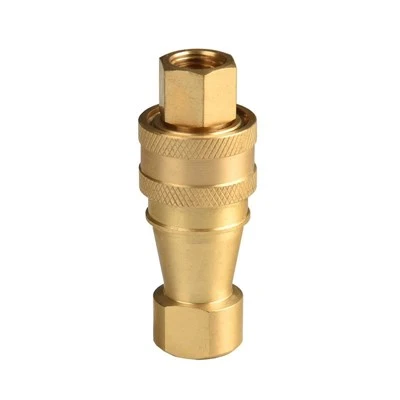
KZD Brass Hydraulic Quick Couplings
The KZD Brass Hydraulic Quick Couplings from the POOLKE KZD Series are designed for reliable fluid connection in...
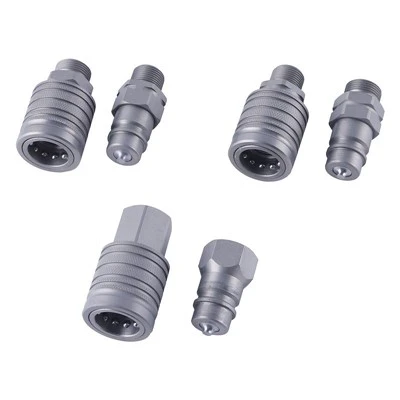
ISO 7241-A Push-Pull Hydraulic Quick Couplings
The KIS-PP ISO 7241-A Push-Pull Hydraulic Quick Coupling is designed for fast and convenient connection of hydraulic...
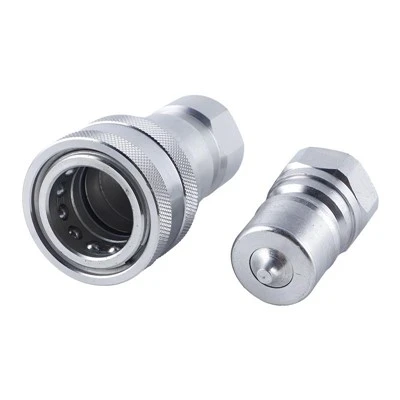
ISO 7241 B Hydraulic Quick Couplings
The ISO 7241 B Hydraulic Quick Couplings from the POOLKE KIS-B Series is designed for reliable hydraulic connection...