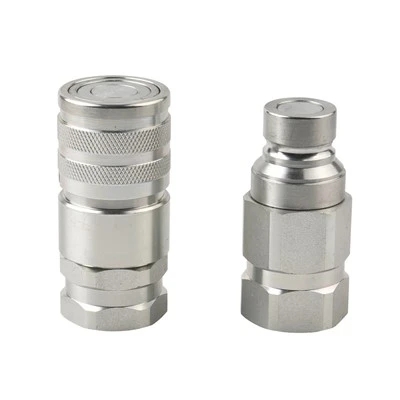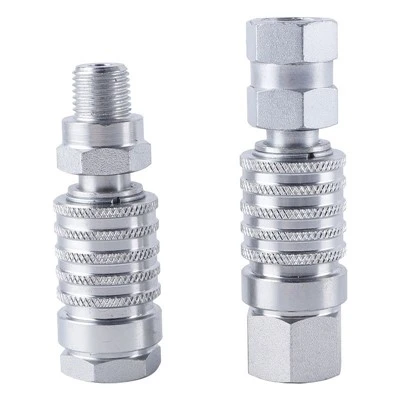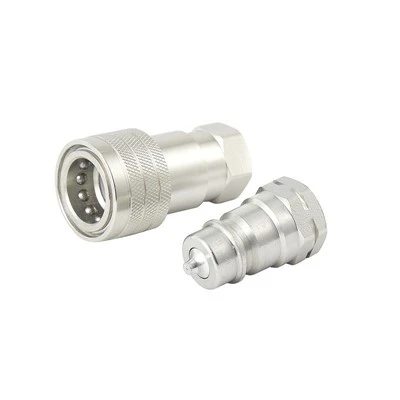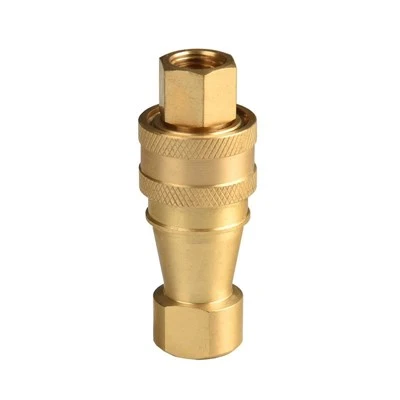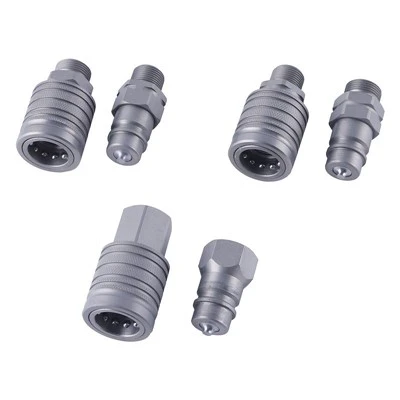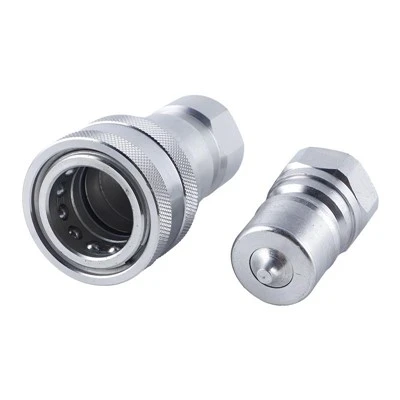

A compression fitting is a type of sealed pipe connector used to join two pipes together, enabling extensions, branching, or changes in direction. Its key functions include:
Convenient installation: Compression fittings are easy to install, requiring no complex steps like welding or gluing; the connection is completed simply by placing the fitting over the pipe and tightening it, making the process faster and less labor-intensive than traditional threaded connections.
Reliable connection: Tightening the nut causes the ferrule (or sleeve) to bite into the pipe, creating a secure, reliable, and sealed connection. This ensures the safe and stable operation of the piping system.
Easy disassembly: Compression fittings can be disassembled, facilitating the maintenance, replacement, or cleaning of the piping system. There is no need to damage the existing pipe structure, offering great convenience for maintenance and repairs.
Sealing performance: These fittings utilize sealing rings or other materials to ensure a tight seal at the connection point, preventing fluid leakage or the ingress of external contaminants, thereby protecting the system's safe operation.
High adaptability: Compression fittings possess a degree of elasticity, allowing them to accommodate slight pipe deformation, vibration, or displacement. This reduces stress concentration within the piping system and enhances overall reliability and stability.
Versatility: Depending on the specific application and requirements, compression fittings can offer additional features such as pressure resistance, corrosion resistance, sound absorption, and vibration damping. Therefore, selecting the right fitting requires matching the appropriate model and material to the specific needs of the application.