


Quick-connect couplings offer a wide range of advantages. Regarding ease of connection, their primary benefit is the ability to connect and disconnect rapidly. Unlike traditional methods such as welding or threaded connections, quick-connect couplings eliminate the need for complex tools or tedious procedures; simple actions-such as plugging in/unplugging or rotating-allow for quick connection or disconnection, thereby significantly boosting work efficiency. For instance, in scenarios requiring frequent equipment changes or pipeline reconnections, using quick-connect couplings saves substantial time and labor costs. In terms of sealing performance, these couplings typically utilize advanced sealing technologies and high-quality materials to ensure a reliable seal. Whether handling gases, liquids, or other media, they effectively prevent leakage and ensure the system operates correctly. Superior sealing also minimizes media waste and environmental pollution while enhancing operational safety. Regarding versatility, quick-connect couplings come in various specifications and models to accommodate different requirements for pipe diameters, pressures, temperatures, and media types. This makes them suitable for a broad range of industries and sectors, including chemicals, food processing, pharmaceuticals, and machinery manufacturing. Users can select the appropriate coupling to meet specific needs and facilitate connections between various pieces of equipment and piping systems. Concerning maintenance costs, the ease of installation and removal allows for rapid handling of malfunctions or replacements, thereby reducing downtime and repair expenses. Furthermore, many quick-connect couplings feature simple structural designs with easily replaceable components, further lowering maintenance complexity and costs. Finally, safety is a key design consideration; for example, some couplings include locking mechanisms to prevent accidental disconnection during use, while others incorporate specialized features-such as explosion-proof or fire-resistant designs-making them suitable for hazardous environments and ensuring the safety of both personnel and equipment.
What Are The Advantages Of Quick-connect Couplings?
Popular Products
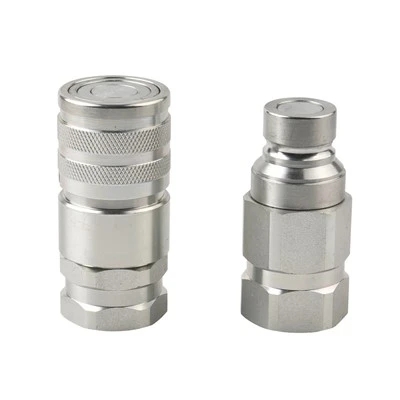
ISO 16028 Flat Face Hydraulic Quick Couplings
The KIS-FF ISO 16028 Flat Face Hydraulic Quick Coupling is designed for clean, efficient and reliable connection of...
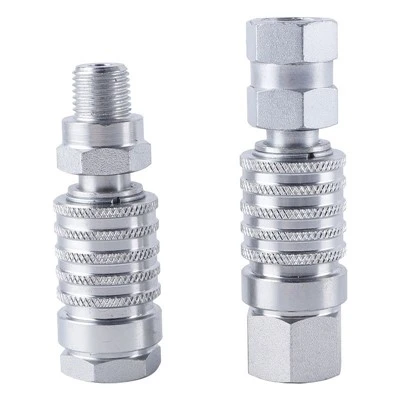
Flat Face Diagnostic Hydraulic Quick Connect
The PD Diagnostic flat face hydraulic quick connect is designed for fast and reliable pressure testing and...
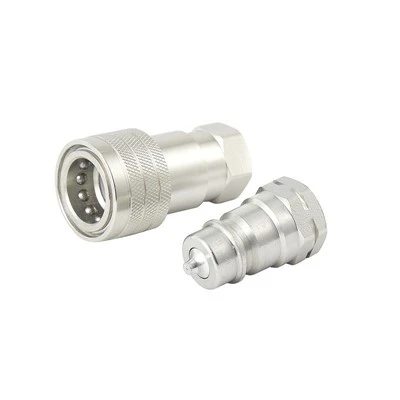
ISO 7241-A Hydraulic Quick Couplers
The ISO 7241-A Hydraulic Quick Couplers is designed for reliable connection and disconnection in hydraulic systems....
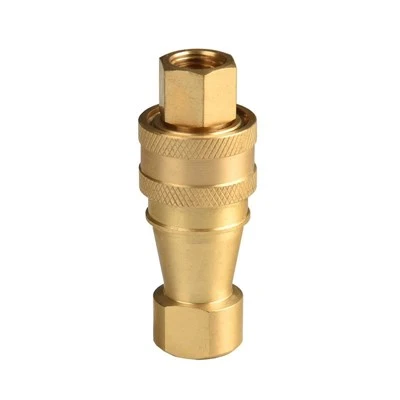
KZD Brass Hydraulic Quick Couplings
The KZD Brass Hydraulic Quick Couplings from the POOLKE KZD Series are designed for reliable fluid connection in...
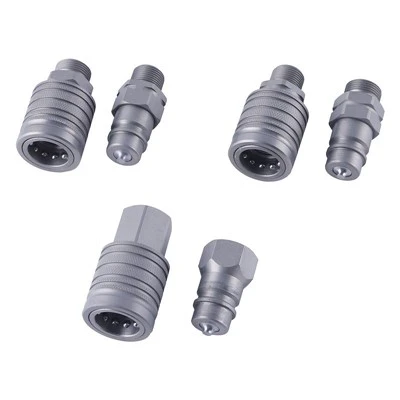
ISO 7241-A Push-Pull Hydraulic Quick Couplings
The KIS-PP ISO 7241-A Push-Pull Hydraulic Quick Coupling is designed for fast and convenient connection of hydraulic...
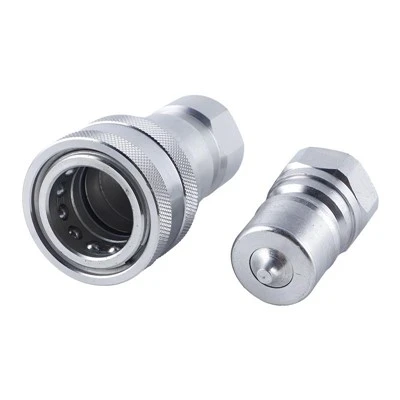
ISO 7241 B Hydraulic Quick Couplings
The ISO 7241 B Hydraulic Quick Couplings from the POOLKE KIS-B Series is designed for reliable hydraulic connection...