

Hey there, if you're a plumber, HVAC tech, or even a homeowner tackling a DIY project that involves gas lines, you've probably Googled "brass compression fittings for gas lines" more times than you can count. And honestly? It's one of the most common questions we get here at our brass compression fittings shop (shoutout to our team that fields these calls daily). Let's cut through the noise-no stuffy industry jargon, no overly technical deep dives, just real talk backed by actual use cases and code rules.
First, let's get one thing straight: not all fittings are made equal, and gas lines aren't your average water lines. I've seen way too many folks grab random fittings from the hardware store and cross their fingers, but that's a fast track to a problem you don't want-think leaks, not being able to turn on your furnace, or worse. So when it comes to brass compression fittings, let's break down the "can I use this?" question piece by piece.
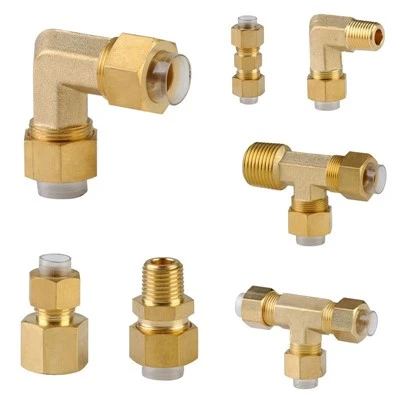
First, what exactly are brass compression fittings? For anyone who's new to the game, these are the ones with two nuts and a ferrule (that tiny metal ring, often called a "olive") that crimps tight when you twist the nut down. They're super popular for copper lines, easy to install, no solder needed, and way less messy than sweating joints. We sell a ton of them for water lines-under-sink connections, ice makers, all that stuff. But gas is different. Gas lines run flammable stuff, so code is strict, and the fittings have to be rated for the job.
Now, the big question: are brass compression fittings approved for gas lines? Short answer is… it depends. Wait, don't tune out yet-let's explain. First, not all brass compression fittings are UL-listed or CSA-approved for gas use. That's non-negotiable. If a fitting doesn't have that stamp, you should never use it for gas, period. We've had customers come in with cheap imports from big-box stores, and even though they look like compression fittings, they're only rated for water. Using those for gas is a hard no.
But here's the thing: if you get the right ones-specifically brass compression fittings rated for gas, not just water-they can work, but only for certain types of gas lines. Let's clarify which gases we're talking about. Most residential gas lines are natural gas or propane, right? Those are the ones we're referencing here. So when we say "brass compression fittings for gas," we mean ones tested and labeled for low-pressure natural gas or propane lines, which is what's used in homes for stoves, water heaters, fireplaces, and patio grills.
Wait, but what about high-pressure gas lines? If you're running a gas line to a main supply or something commercial-grade, brass compression fittings are probably not the way to go. Those usually use threaded black steel or brass fittings, but for low-pressure residential lines (most are under 1/2 PSI, if I remember right), the right compression fittings are totally acceptable-when installed correctly, of course.
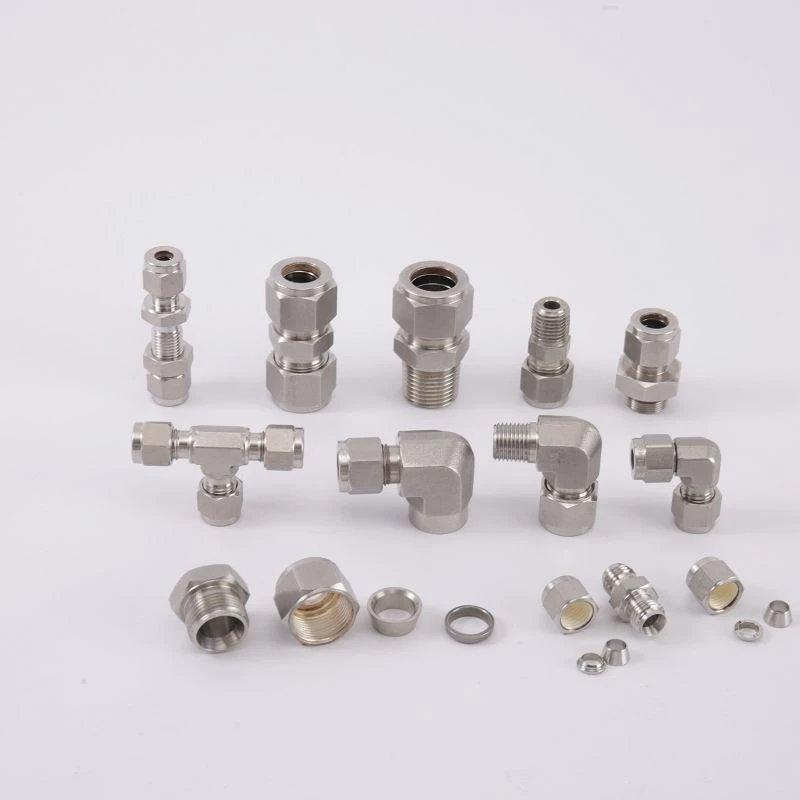
Let's talk installation, because even the best fitting won't work if you mess this up. I've seen installers skip the ferrule, or over-tighten the nut so much they crack the fitting, or under-tighten so the ferrule doesn't make a proper seal. All of that leads to leaks, which is a huge risk for gas. The rule of thumb I've learned over 12 years in this business? Hand-tighten the nut, then give it an extra quarter turn with a wrench-no more. Any more and you'll warp the ferrule, any less and you'll get a loose connection. Also, always use the correct size tubing. Compression fittings only work if the copper tubing is the exact size for the fitting-1/2 inch tubing with a 1/2 inch fitting, no mixing and matching.
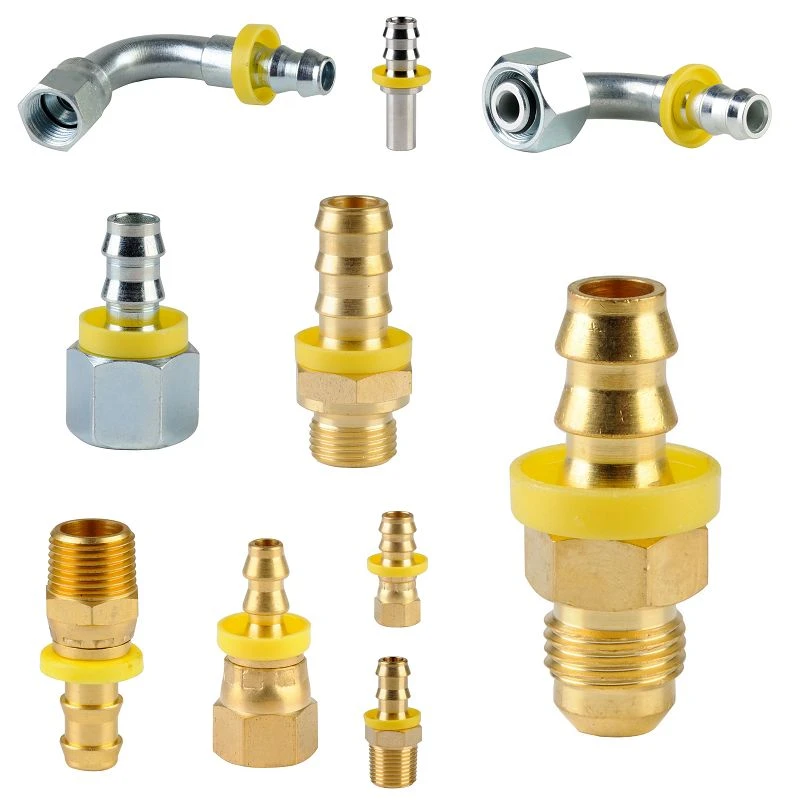
Now, let's address a common myth I hear all the time: "Compression fittings are temporary, so they can't be used for permanent gas lines." That's not true. I've had customers use them for permanent stove lines for over 10 years without a single issue-all as long as they're rated for gas and installed right. The difference between a "temporary" fitting and a permanent one is the rating, not the type. We get it, some folks use push-to-connect fittings for temporary setups (like a grill that's moved seasonally), but that's a whole other category. If you're looking for permanent brass options, our brass compression fittings are the way to go, but always double-check the rating. Wait, for those curious about push-to-connect, we also have info on that if you ever need it-check out our Push-Lok Fittings page for more on that style, though compression is still the go-to for many gas jobs because of the simple, reliable seal.
Another big point: code compliance. I can't stress this enough. Every area has its own plumbing and gas code, but most (if not all) require fittings to be approved for the specific use. So even if your buddy down the street used a random brass compression fitting for his gas line, that doesn't mean it's legal where you live. Always check with your local building department before starting-they'll tell you exactly what's allowed. I've seen jobs get shut down because someone used a non-rated fitting, so don't skip that step.
Wait, but what about materials? Brass is non-ferrous, right? That means it doesn't rust, which is a big plus for gas lines that run for years in walls or under floors. But not all brass is the same. The good stuff for gas lines is lead-free brass, because some areas restrict lead in plumbing and gas fittings, especially for residential use. We only sell lead-free brass compression fittings for gas lines, because that's what's required in most places now. No cutting corners on material quality-cheap brass can corrode over time, leading to leaks, especially if there's moisture in the gas line (which can happen occasionally).
Let's also talk about when you shouldn't use brass compression fittings for gas lines, even if they're rated. If you're running a gas line for a commercial appliance, like a restaurant grill or a furnace that's larger than a standard residential unit, compression fittings might not be enough. Commercial gas lines usually require stronger, more heavy-duty fittings, like threaded brass or black steel, that can handle higher pressures or more heavy use. Also, if you're running a line that's going to be in a corrosive environment, like a garage with salt air (if you live near the coast), you might want to double-check the brass alloy-though lead-free dezincification-resistant brass is good for that, so that's a consideration.
I want to add a personal anecdote here, because this is real life. A few years back, a customer came to us panicking, saying his stove line had a leak and he had to shut off the gas. He had used a cheap brass compression fitting from a no-name online retailer, not UL-listed, and after a year, the ferrule had corroded just enough to let a small gas seep through. We helped him swap it out for our rated brass compression fitting, and he's had no issues since. That's exactly why we're so strict about only selling fittings that are actually approved for gas-we've seen the bad side of cutting costs.
Another common question: can I use brass compression fittings with flexible gas lines? Short answer is no, usually. Flexible gas lines (like corrugated stainless steel tubing, CSST) require specific fittings made for that type of line, not standard compression fittings. Trying to force a compression fitting onto CSST is a recipe for a leak, so stick to the right parts for the right job. Our team always recommends checking the tubing type before picking a fitting, and we're happy to help if you're not sure-no question is too small.
Now, let's get to the next step: if you're ready to buy, where do you go? When you're shopping for brass compression fittings for gas lines, don't just grab the first thing on the shelf. Look for the UL or CSA mark, confirm it's rated for gas, and make sure it's the right size for your tubing. We have a whole page dedicated to our brass compression fittings, all UL-listed and approved for low-pressure natural gas and propane lines, plus we ship fast and have knowledgeable staff to help you pick the right parts. If you have questions about compatibility, installation, or code requirements, feel free to reach out-we're here to help, whether you're a pro or a first-time DIYer.
Wait, one last thing I always tell people: never test a gas line with just a soapy water solution. That's a DIY trick, but if you're working on a gas line, make sure to do a proper pressure test, and if you're not 100% confident in your skills, hire a licensed professional. Gas lines are not a place to guess-better to pay a pro than to deal with a dangerous leak. We love helping customers with parts, but we always emphasize that if you're not comfortable with gas line work, call a licensed tech.
At the end of the day, brass compression fittings can work for gas lines, as long as you do your homework: get the right rated fittings, install them correctly, check local code, and never cut corners on quality. We've been in this industry for years, and we stand behind every brass compression fitting we sell, because we know that when it comes to gas, reliability is non-negotiable.
If you're looking to stock up on approved brass compression fittings for your next job, or just have questions about which parts work best for your gas line project, don't hesitate to connect with our team. We're always here to help get you the right parts, no hassle.
References:
- International Association of Plumbing and Mechanical Officials (IAPMO). (2022). Uniform Plumbing Code: Gas Piping Materials and Fittings.
- Underwriters Laboratories Inc. (UL). (2023). Standard for Compression Fittings for Gas and Liquefied Petroleum Gas (UL 1065).
- Canadian Standards Association (CSA Group). (2022). CSA B149.1: Natural Gas and Propane Installation Code.
- National Fuel Gas Code (NFPA 54). (2021). Chapter 4: Piping Materials, Components, and Equipment for Gas Systems.
- Copper Development Association Inc. (2020). Compression Fitting Installation Best Practices for Copper Gas Tubing.